
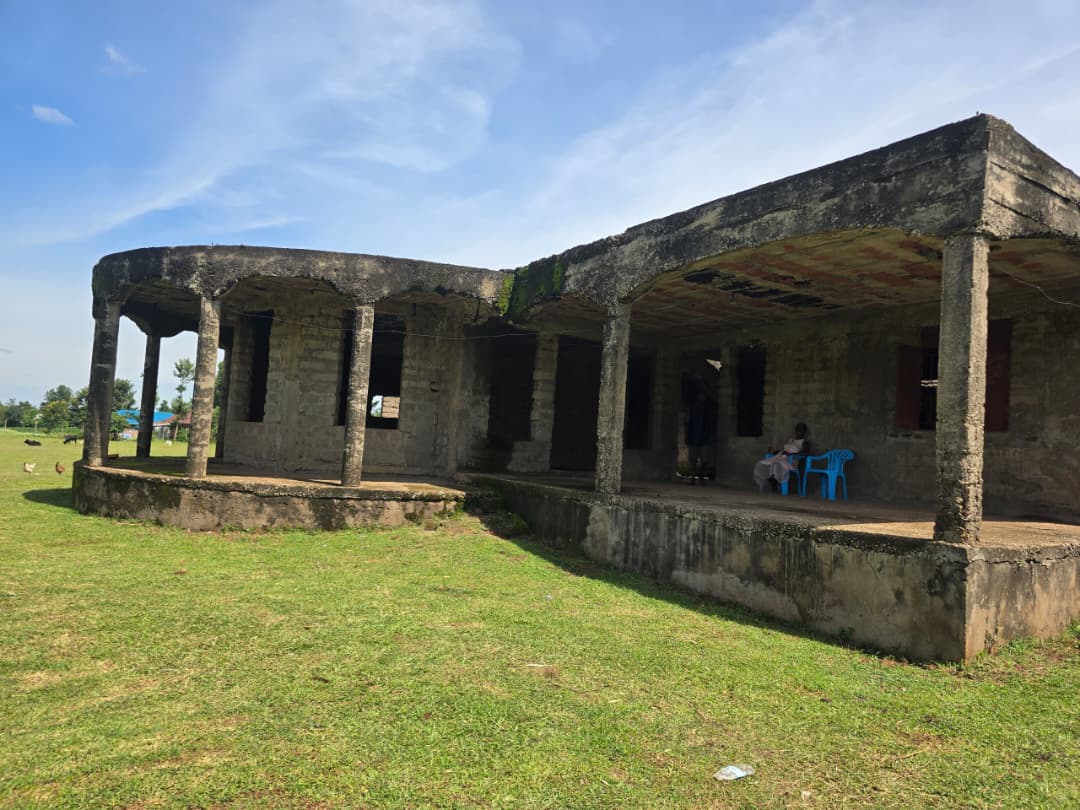
The Tieng Adhola Cultural Institution is facing growing scrutiny over accountability concerns surrounding its stalled palace construction project in Nyangole Sub-county, Tororo District.
The project, launched in 2011, began after the government released Shs250 million as part of a broader pledge of Shs1 billion intended to kick-start construction. At the time, the palace was estimated to cost Shs3 billion and was to be implemented in phases.
More than a decade later, however, the full government funding has not been realised, forcing the institution to turn to its subjects for support. In 2018, a local fundraising drive raised about Shs40 million, far below expectations.
According to Josel Obbo, the funds raised were used to fence off the land and construct sanitation facilities before the project stalled.
“We fenced off the land and constructed toilets which are currently there. Unfortunately, we were stopped by the government,” Obbo said.
The cost of the project has since been revised to Shs5 billion, with leaders now considering another round of fundraising to resume construction.
“We are going to revisit this and see how best we can remobilise our people to complete the palace,” he added.
However, the proposed move has met resistance from a section of clan leaders, who are questioning the utilisation of nearly Shs300 million reportedly spent so far.
Speaking in Senda Village, Kirewa Sub-county, members of the Nyapolo Ogule clan said accountability has not been adequately provided.
“Government gave over Shs200 million and we raised about Shs50 million locally, but nothing is visible on the ground,” said Justine Majanga.
Concerns have also been raised about the structural integrity of the unfinished buildings, with reports indicating that cracks have already developed.
“As we speak, we cannot proceed with construction; the structure is already dilapidated,” said Oboth Odoi Oluge.
The cultural institution, however, downplayed these concerns, stating that technical assessments will be conducted before any further work resumes.
“Those fears may be founded or unfounded, but we shall assess before proceeding,” Obbo explained.
Across the Japadhola community, calls for transparency are intensifying, with opinion leaders urging the institution to publicly account for funds before undertaking new fundraising efforts.
“Whatever is collected must be made public to ensure accountability,” said Oketch Jamenoka.
Despite the criticism, cultural leaders maintain that the funds received so far were properly utilised and have called for unity to see the project through.
“Where we are not doing enough, we call on our people to guide us and remain united so we can complete this construction,” Obbo said.
As the controversy deepens, leaders of the institution are also urging the government to fulfil its long-standing funding pledges, not only for the palace but also for other proposed developments, including the African Women University of Science and Technology.
